10 Things We All Do Not Like About Replace Patio Door Lock


How to Replace Patio Door Locks
Over time, patio doors locks can experience issues that prevent them from functioning in the way they were intended to. Whether the issue is due to rust or heavy debris that inhibits lock movement, it is important to detect these signs early and source high-quality Amesbury Truth hardware online promptly.
Replacing the lock on your patio door is a simple process. Follow these steps to begin:
Identifying Your Lock's Existing Lock
The locking mechanism of sliding patio door hardware is vulnerable to rust and dirt. In time, this could cause the latch to stop working, or even stop completely. This makes your home vulnerable to burglars. If you notice that your patio door lock is been damaged or jammed, identifying the type of lock will help you to fix it. This will allow you to locate top-quality Amesbury Truth hardware to replace the damaged lock.
Many sliding patio doors feature a steel mortise lock that is fixed into the frame of the door. These types of locks are generally extremely secure, however they can break or bend when handled incorrectly or if they are exposed to frequent use. If your mortise patio door lock becomes bent or damaged, it is recommended to replace it with a new one, rather than attempting to repair it.
To determine what kind of lock you have, begin by removing the handle from the door. This will reveal a few small screws that hold both the lock and handle together. Remove the actuating handle from the lock to view what's inside.
You can determine the type of lock by looking at the key cylinder within the lock assembly after you remove the door handle. Most steel mortise locks have an elongated keyway, while some are angled at 45 degrees. You can purchase the correct replacement part for your patio door sliding lock once you are aware of the kind of lock you own.
You can also purchase a retrofit kit that will install a keyed lock on your sliding patio door. These kits come with keys, the lock mechanism and specific installation instructions. It is recommended to talk to an experienced locksmith or door hardware expert for advice on installing new hardware in your home.
In addition, you can find out the type mortise lock you've got by looking at the mounting holes on the back of the cylinder plug. If the mounting holes on your mortise patio lock are round or square, it's most likely an E2105 mortise. If yours has oval shaped cutouts, it's likely an E2014.
Selecting a Lock Replacement
If the lock on your patio door is damaged or not working correctly, your home may not be protected. Installing a new lock quickly can keep intruders out of access to your home and ensure that your sliding doors are safe. This guide will help you select a replacement lock that is compatible with your patio door and install it.
First, you will need to identify the model of your existing lock. This information is usually found on the latch or the hardware that connects it to the handle. Once you have the information, it will make it easier to locate the replacement.
Before starting to remove your lock, make sure that you adhere to the appropriate safety precautions to avoid injuries. Wear protective gloves and eye protection to shield yourself from sharp edges debris, sharp edges and other hazards. It is also important to clear the area surrounding the lock of obstructions to avoid accidental damage during the removal and installation process.
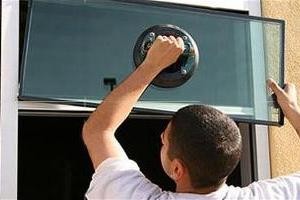
You will need to loosen screws that secure the latch. After these screws are removed, you can take both the latch mechanism and cartridge from the handle. Next, you will need to inspect the latch for signs of debris or other substances that may have interfered with its operation. You can make use of lubricants like WD-40 Multi-Use Product or a graphite pen to remove any contaminants that may have been trapped in the latch mechanism.
Once the latch is free of any contaminants, you can put your new lock into the door. It is crucial to align the new lock with the striker plate. Make any adjustments that are required and apply lubricant the new lock to keep it functioning smoothly for years to come.
It's a great idea to consult an experienced locksmith or door hardware expert if have any concerns about changing your patio lock. They can provide expert advice and ensure the new lock is installed to ensure optimal performance.
Installation
When you're replacing your patio door lock it is essential to follow the correct installation procedures. This will ensure that the new lock is secure and functions properly. If you're not sure how to install it yourself, get help from a locksmith or door hardware expert. They can provide professional advice and help you install the correct patio door lock.
The majority of burglaries target exterior sliding glass patio doors due to the fact that they allow easy access to the home. They are usually locked but don't have the proper locks. Installing security handle locks as well as anti-snap locks can help reduce the chances of a burglar getting into your home through this vulnerable point.
Patio Door Security Handles are an affordable and simple method to improve the level of security for your patio door. They can be a noticeable protection against burglars and can be installed in a matter of minutes. They also save you money on your home insurance by reducing the likelihood of a burglary by lowering your premium.
A Security Bar can be used to secure your patio door. It is a simple but efficient device that can be positioned behind the sliding door to stop the door from moving. The device stops anyone from accessing the patio door from the inside. It can be installed quickly without taking off the handle or cylinder.
If you own an uPVC double glazed French door that is locked at multiple points, then a multi-point locking system might be an option for you. This is a rim locking system which bolts the patio door to the frame at multiple points, and offers a higher level of security than central rail locks that operate with keys.
It is important to inspect your patio doors on a regular basis for indications of damage. If any problems are discovered, it is important to act quickly. This can include rust, loose screws and misalignment that could affect the functioning of your lock or even cause a door to be unsafe. It is also recommended that you lubricate your lock mechanism on a regular basis with a silicone-based lubricant (not WD40). This will ensure that the mechanism is working as it should and will improve the performance of the lock and extend its life.
Maintenance
Patio doors allow fresh air to enter However, they must be properly secured when closed. If you don't secure your patio doors, burglars may utilize them to gain entry to your home and leave you vulnerable. There may be locks that do not latch due to several different reasons. You must address these problems right away to prevent break-ins or other security issues.
Start by lubricating your door handle and lock to see if that helps fix it. If it doesn't, verify the alignment of the door to the frame. Is the door sliding into the side jamb completely when locked? The problem is most likely that the door isn't sliding in the side jamb. If you're uncomfortable disassembling the lock yourself You can always call an expert locksmith to do it for you.
If cleaning and lubricating the lock does not work, then you may need to replace it. It's important that you understand the different types of locks that are available to ensure you pick the right replacement. You'll first need to identify the type of lock that is currently on your patio door. You can do this by looking at the end face plate of the lock and then observing its screw hole size.
You can then examine the specifications of the replacement locks with those on the market. This will allow you to determine the perfect lock for your patio door.
In upvc replacement door locks to changing the locks on your patio door you can also increase security by installing a telescopic bar on the bottom of your patio door. It is secured against the frame when it is not in use and prevents anyone from forcing your patio door open which makes it more difficult to get into your home. This security feature is a great investment in the security of your home.